
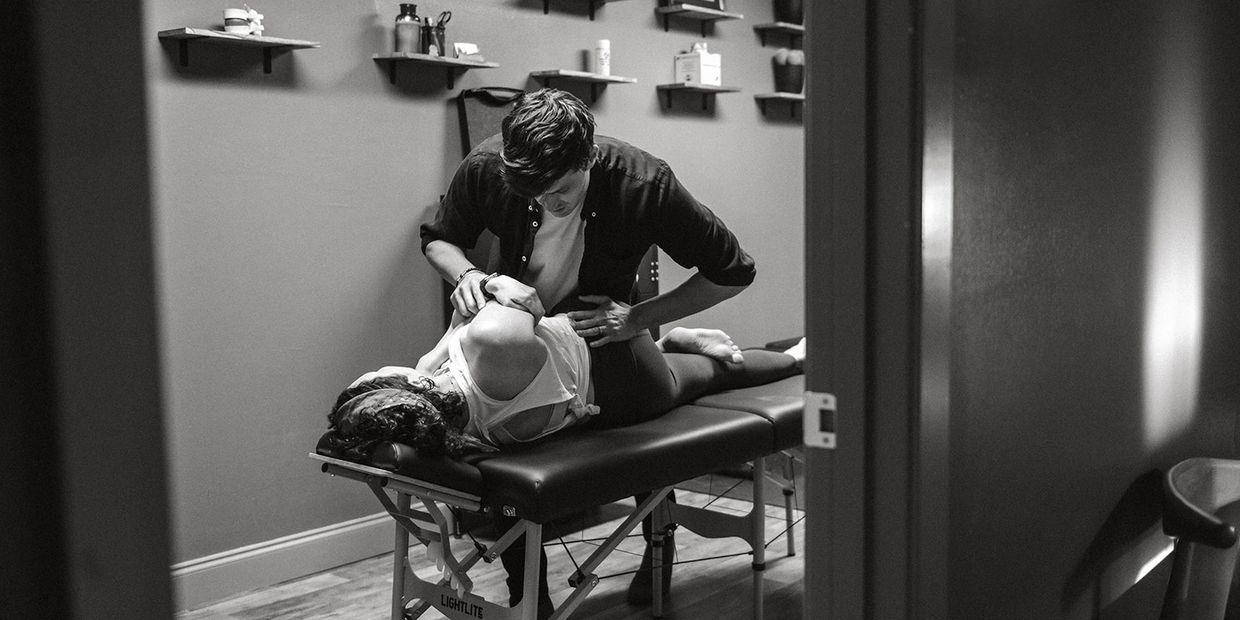
Setting the Record Straight
Chiropractic care has sometimes been dismissed as lacking scientific support — a perception that does not reflect the current state of the research. Over the past two decades, a substantial body of peer-reviewed evidence has accumulated supporting spinal manipulation and chiropractic care for a range of musculoskeletal conditions. Here is what the science actually shows.
Low Back Pain: The Strongest Evidence
Low back pain is the condition with the most robust evidence for chiropractic care. Multiple systematic reviews and clinical guidelines — including those from the American College of Physicians — now recommend spinal manipulation as a first-line treatment for acute and chronic low back pain, ahead of opioid medications.
A 2017 JAMA study found that spinal manipulative therapy was associated with modest improvements in pain and function for acute low back pain compared to sham manipulation. A 2018 JAMA Internal Medicine study found that chiropractic care reduced opioid prescription fills among patients with spinal pain — a clinically significant finding given the current opioid crisis.
Neck Pain
Evidence for cervical manipulation and mobilization in neck pain is also well-established. A 2012 Annals of Internal Medicine study found that spinal manipulation was more effective than medication for acute neck pain at 12 weeks. Cervical manipulation combined with exercise has been shown to outperform medication alone in multiple trials.
Headaches and Migraines
Tension-type headaches and cervicogenic headaches (headaches originating from the neck) respond particularly well to chiropractic care. A Cochrane review found that spinal manipulation may be as effective as prophylactic drug therapy for migraine prevention, with fewer side effects. For cervicogenic headaches, manipulation combined with exercise is considered a first-line intervention.
Beyond Pain: Functional Movement and Nervous System Health
Dr. Michael's approach at Totality goes beyond pain relief. Functional movement assessment identifies compensatory patterns — the way your body has adapted around an injury or restriction — that contribute to recurring pain and limit performance. Corrective exercise addresses these patterns at their root, reducing the likelihood of re-injury.
The spine houses and protects the spinal cord, and spinal joints are densely innervated with mechanoreceptors that feed proprioceptive information to the brain. Research suggests that spinal manipulation may influence the nervous system beyond local tissue effects — improving joint position sense, reducing central sensitization, and modulating pain processing pathways.
What This Means for Your Care
Evidence-based chiropractic care is not about cracking backs for the sake of it. It is about restoring joint mobility, reducing nerve irritation, improving movement quality, and supporting the body's capacity to heal itself — with a treatment plan grounded in your specific presentation and goals.
At Totality, Dr. Michael combines spinal adjustments with functional movement assessment, corrective exercise, and dry needling when appropriate — creating a comprehensive approach that addresses both the symptom and the underlying dysfunction.
Ready to Experience Holistic Care?
Book a consultation and let us build a personalized care plan around your health goals.
Book a Consultation