Totality Holistics · Dallas, TX
Dry Needling
in Dallas, TX
A targeted, evidence-informed technique for releasing trigger points and addressing musculoskeletal pain — integrated with chiropractic and rehabilitation for lasting results.
The Basics
What Is Dry Needling?
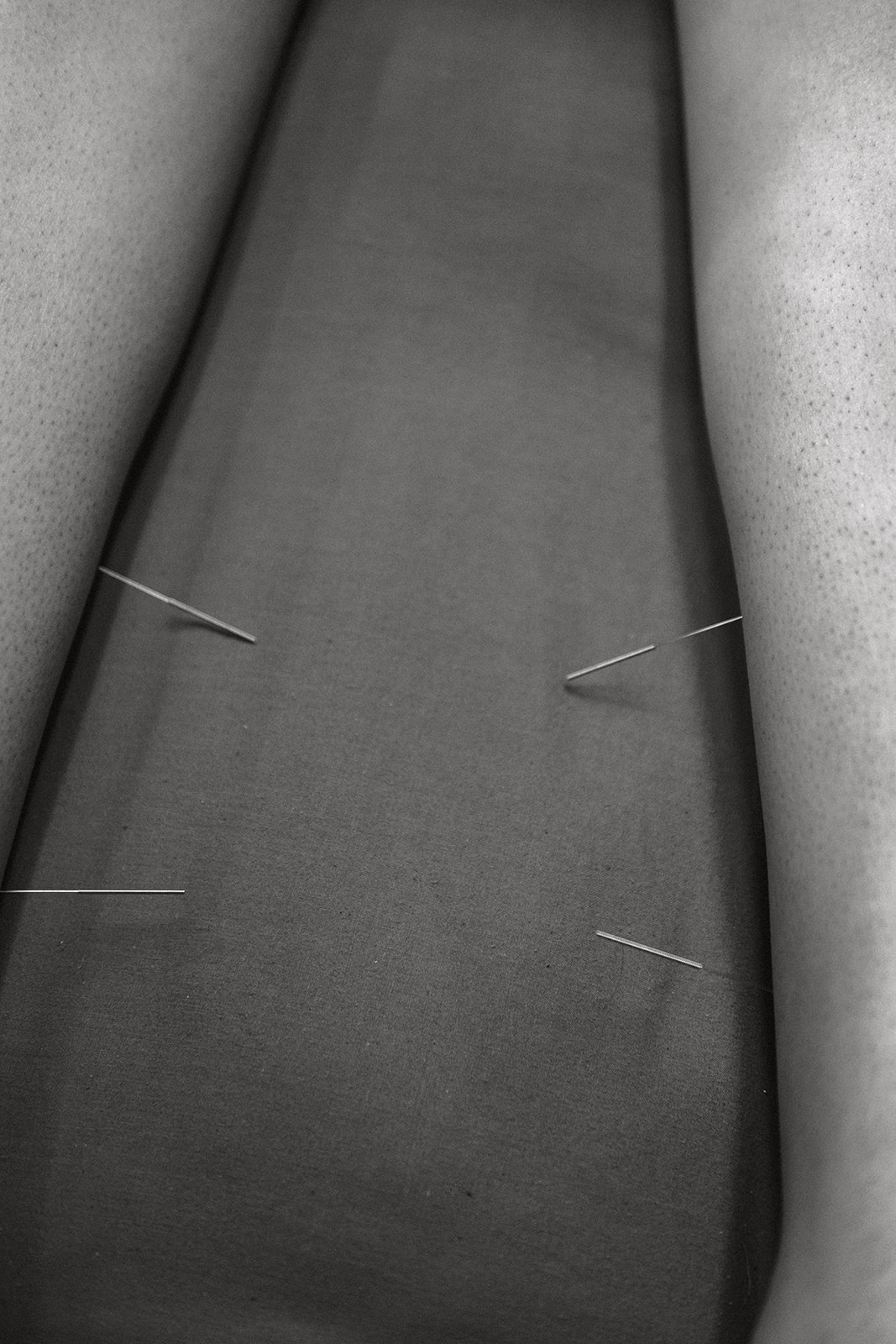
Dry needling is a therapeutic needling technique used to address muscle pain, tension, restricted movement, and neuromuscular dysfunction. Using thin, solid filiform needles, treatment targets specific muscles and soft tissues identified through your symptoms, physical examination, and movement assessment.
The term “dry” simply means that nothing is injected. Instead, the needle itself provides a precise stimulus to the targeted tissue. Depending on your presentation, treatment may focus on myofascial trigger points, areas of muscular tension, or other tissues that may be contributing to pain and impaired movement.
Dry needling at Totality Holistics is not offered as a standalone cure. It is incorporated into a broader treatment and rehabilitation plan alongside chiropractic care, massage therapy, and corrective exercise to address factors contributing to pain, movement limitations, and reduced physical capacity.
Credentialed Training
Dry Needling with Dr. Michael Martinez, DC
Dry needling at Totality Holistics is performed by Dr. Michael Martinez, DC, who has completed training through Structure & Function Education (SFDN), a nationally recognized program that trains healthcare professionals in a diagnosis-focused approach to dry needling grounded in current science, orthopedic rehabilitation, and sport medicine. Dr. Martinez integrates dry needling with chiropractic care, movement assessment, and progressive rehabilitation when appropriate.
The Science
How Dry Needling Works
When a needle is inserted into an active trigger point, a local twitch response may occur — a brief, involuntary contraction of certain muscle fibers. The exact mechanisms of dry needling continue to be studied, with proposed effects involving pain modulation, neuromuscular activity, and changes in muscle tone.
Research suggests dry needling may help reduce local and referred pain, improve range of motion, decrease muscle hypertonicity, and support the normalization of the neuromuscular system. While the exact mechanisms are still being studied, clinical evidence supports its use as part of a multimodal approach to musculoskeletal care.
It is important to understand that individual responses to dry needling vary. We do not guarantee specific outcomes, and your provider will discuss realistic expectations based on your clinical presentation during your initial consultation.
Your Experience
What a Session Feels Like
Most patients report minimal discomfort during needle insertion — the needles used are very thin, much finer than a hypodermic needle. When the needle contacts an active trigger point, you may feel a brief, deep ache or a muscle twitch. This sensation typically lasts only a second or two and is often described as a "good hurt" — uncomfortable but recognizable as the source of your pain.
After the session, it is common to experience mild muscle soreness in the treated area for 24–48 hours, similar to the feeling after an intense workout. This is a normal response and typically resolves on its own. Many patients notice a reduction in pain and an improvement in movement quality within the first few sessions.
Your provider will walk you through what to expect before, during, and after your first session, and will adjust the approach based on your comfort level and response to treatment.
When It May Help
Conditions for Which Dry Needling May Be Considered
Dry needling is most commonly used for musculoskeletal complaints involving trigger points, muscle tightness, and pain. The following are conditions for which it may be incorporated into a care plan — always in conjunction with a thorough clinical assessment.
Advanced Option
Dry Needling with Electrical Stimulation
In some cases, your provider may recommend combining dry needling with electrical stimulation — a technique sometimes referred to as electroacupuncture or e-stim dry needling. A small electrical current is passed through the inserted needles, producing a gentle, rhythmic muscle contraction.
This combination may be used to enhance the effects of standard dry needling, particularly for deeper or more chronic trigger points, nerve-related pain, or cases where a stronger neuromuscular response is clinically appropriate. The sensation is typically described as a mild buzzing or pulsing — most patients find it tolerable and even relaxing.
Whether electrical stimulation is appropriate for your case will be determined by your provider based on your clinical assessment and treatment goals.
Integrated Care
How We Combine Dry Needling with Chiropractic Care and Rehabilitation
At Totality Holistics, dry needling is rarely used in isolation. It is most effective when integrated into a comprehensive care plan that addresses the full picture of your musculoskeletal health.
Dry needling may be used before or after manual treatment when clinically appropriate and may make movement or hands-on treatment more comfortable for some patients. Following treatment, corrective exercises and rehabilitation work help reinforce progress and build physical capacity.
This integrated model — addressing joints, muscles, and movement patterns together — is central to how we approach care at Totality Holistics. We also collaborate with our massage therapy team when soft tissue work is part of your plan.
Learn About Chiropractic CareAfter Your Session
What to Expect After Treatment
Mild soreness is normal
It is common to feel muscle soreness in the treated area for 24–48 hours after a session. This is a normal physiological response and typically resolves on its own. Applying a warm compress and staying hydrated can help.
Stay hydrated and move gently
Drinking plenty of water after your session supports tissue recovery. Light movement and gentle stretching are generally encouraged. Avoid intense exercise or heavy lifting for the remainder of the day.
Improvement may be gradual
Some patients notice significant relief after their first session; others experience a more gradual improvement over several visits. Your provider will monitor your response and adjust the treatment plan accordingly.
Follow your provider's guidance
Your provider may recommend specific stretches, exercises, or activity modifications to support your recovery between sessions. Following these recommendations is an important part of achieving lasting results.
Common Questions
Frequently Asked Questions
Find Us in Dallas
Our Dallas Location
Totality Holistics is located in East Dallas, conveniently accessible from the Lakewood, White Rock, and Casa View neighborhoods. We offer flexible scheduling to accommodate busy lifestyles.
Address: 5510 Abrams Rd Suite 115, Dallas, TX 75214
Hours: Mon–Fri 8am–6pm ·

Ready to Address Your Pain?
Book a consultation at our Dallas clinic. We'll assess your presentation and determine whether dry needling is appropriate as part of your care plan.